
Biology: Grade 12 8 Sections18 Lessons365 Days
1.3. Creating Conscious Citizens & Ensuring Sustainable Development
Biology Grade 12
Lesson Competencies
At the end of the lesson you will be able to:
Define what it means to be a conscious citizen.
Explain how Biology expands awareness of social, global, and environmental conditions.
Describe the role of biotechnology in facilitating sustainable development.
Recognize how innovative, cost-effective bio-based technologies improve food production and sustain a greener Earth.
Key Terms
Conscious Citizen
One who values human life, connects with a higher purpose, and takes responsibility for transforming skills into ethical action.
Sustainable Development
Development that meets the needs of the present without compromising the ability of future generations to meet their own needs.
Biotechnology
The interplay of biology and technology used to develop products or processes that improve life and living conditions.
Bio-based Technologies
Innovative, cost-effective methods that consume fewer resources, incorporate recycling, reuse components, and reduce waste.
Video Lesson: Science for a Sustainable Future
Watch this short introduction on how science and technology connect to environmental consciousness.
Core Lesson
Introduction
Dear learners,
Imagine a farmer named Ato Bekele living near the beautiful Lake Ziway in the Ethiopian Rift Valley. For years, he used expensive chemical fertilizers that eventually washed into the lake, harming the fish and the water quality. Recently, a young biology graduate from Hawassa University introduced him to a new method: using organic compost and specialized bio-fertilizers. Now, Ato Bekele’s crop yields have increased, his costs have gone down, and the lake is becoming cleaner.
That young graduate is an example of a conscious citizen using biotechnology to ensure sustainable development.
The Power of Biology and Conscious Citizenship
1. What is a Conscious Citizen?
A conscious citizen is someone who places deep value on being fully human while connecting with a higher purpose. They take responsibility for transforming their skills into action through ethical decision making, ultimately striving to improve life on the planet.
2. Biology’s Vital Role
Studying Biology expands our awareness of social, global, and environmental conditions. By understanding ecosystems, biology empowers us to assume personal responsibility to initiate positive impacts in our local communities.
3. Biotechnology for Sustainable Development
The interplay of biology and technology, known as biotechnology, is vital for facilitating sustainable development initiatives. Conscious citizens use biotechnology applications to improve living standards without destroying the environment.
4. Bio-based Technologies
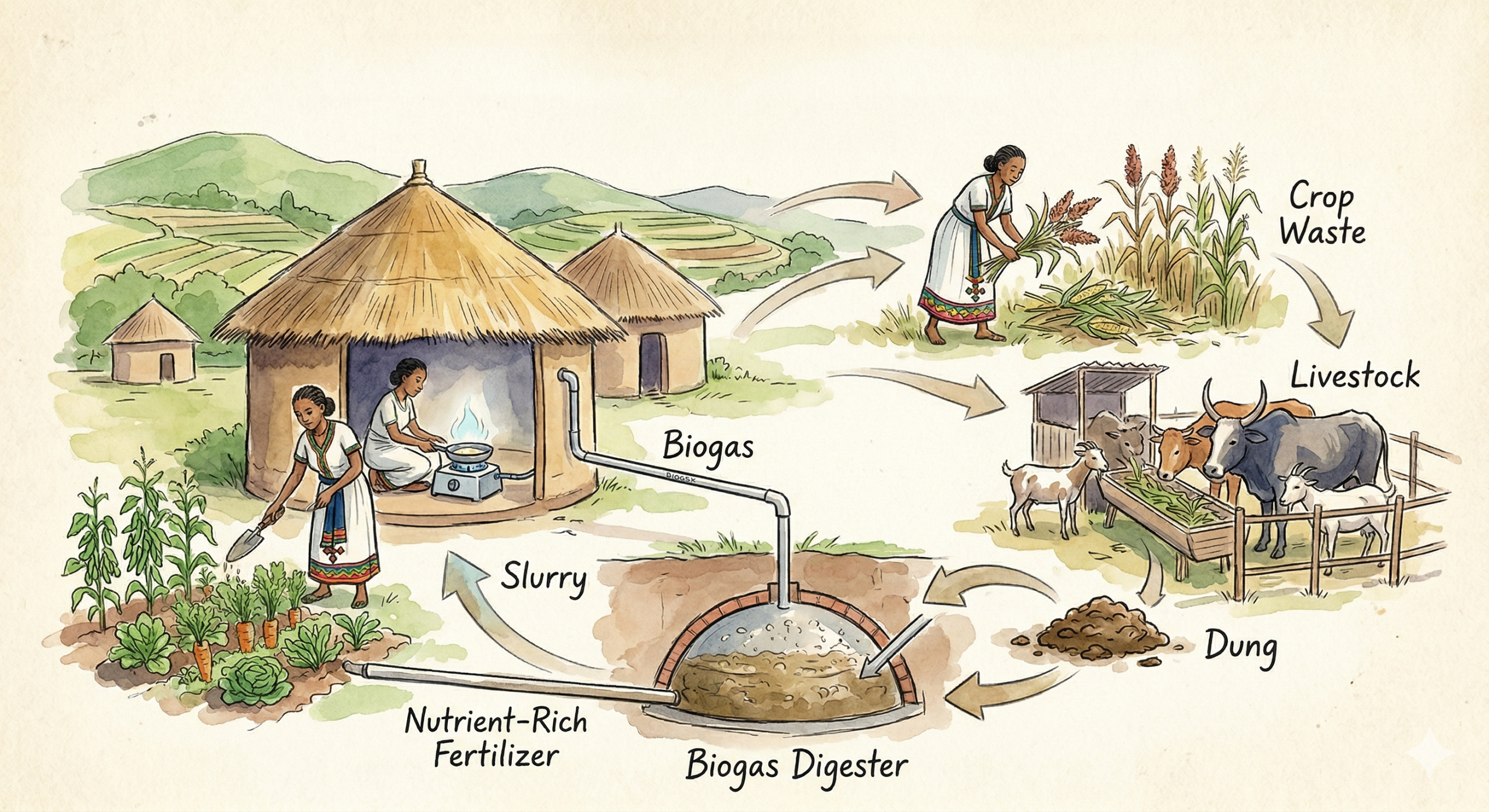
Conscious citizen biologists develop cost-effective bio-based technologies. These consume fewer resources, incorporate recycling, reuse components, and reduce waste. Examples include generating biogas from organic animal waste, sustaining a greener earth and improving food production.
Visualizing Sustainable Systems
Educational Game: Sort the Technologies
Are these practices Bio-based & Sustainable or Non-sustainable?
Tap an item, then tap the box where it belongs! (Or drag & drop)
Practices & Technologies
Bio-based & Sustainable
Non-sustainable
Act 1: Understanding Concepts
1 / 5Act 2: Ethical Decisions
1 / 5Act 3: Local Context
1 / 5Lesson Summary
A conscious citizen values life, makes ethical decisions, and takes action to improve the planet.
Biology builds environmental awareness and encourages personal responsibility.
Biotechnology bridges biology and technology to foster sustainable development.
Bio-based technologies are cost-effective, reduce waste, and enhance food production.
Final Assessment
1 / 5Competency Checklist
Check the boxes below to self-assess your understanding: